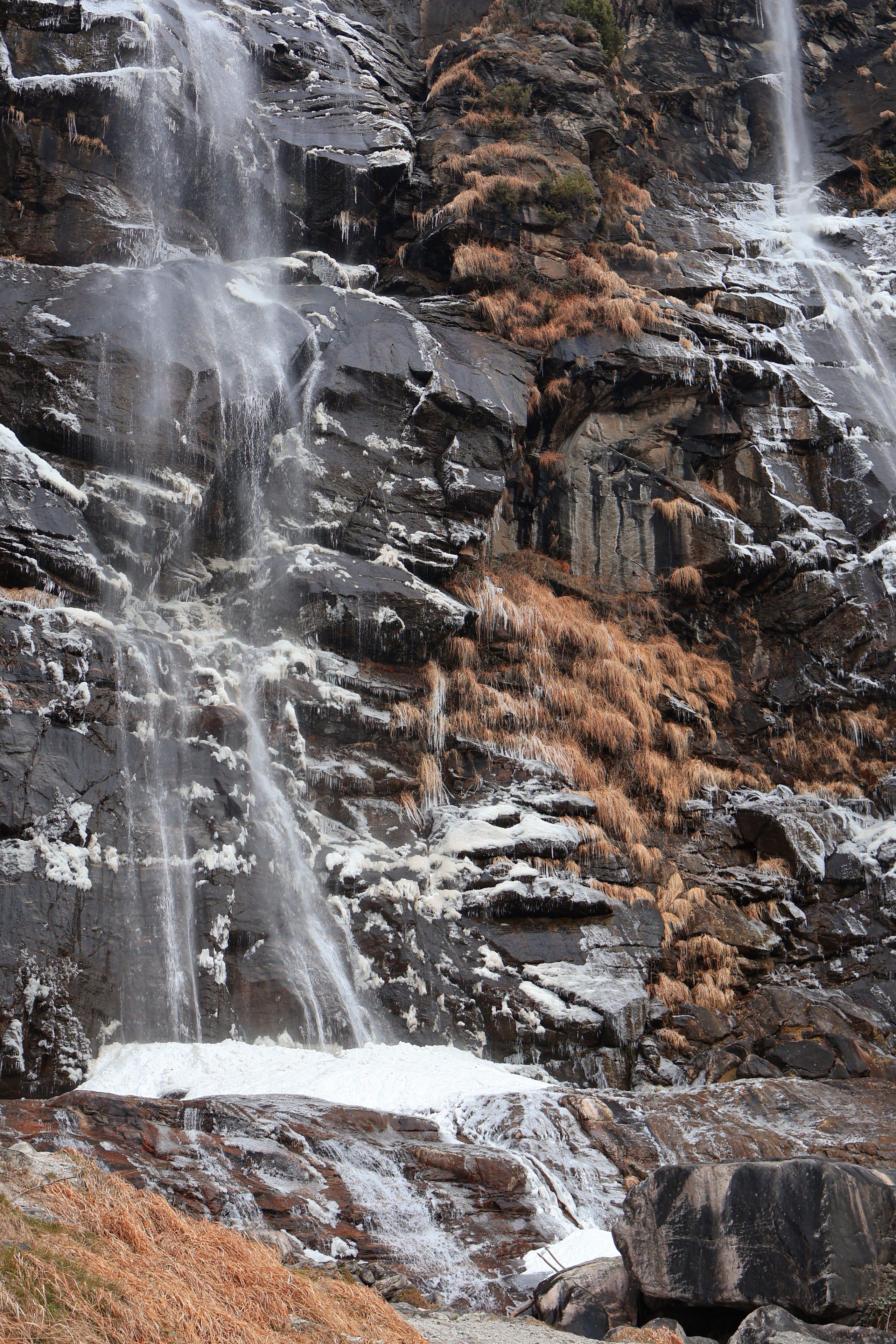
Frozen in Motion: Winter Waterfalls Around the World
6/5/2026 · Mai Tran
A waterfall freezing isn't really freezing — it's slowing down, one layer at a time. The outer sheet of water hits cold air first and hardens into ice, while the falls keeps running underneath, often invisibly, for weeks after the first freeze.
Why some falls freeze and others don't
Volume is the deciding factor more often than temperature. A high-volume falls moves too much water too fast to lose heat evenly, so it often keeps flowing well into a cold snap that would freeze a smaller stream solid within a day. The falls in Chiavenna, Italy freezes in stages — ice building outward from the rock face while the core keeps moving, which is why a "frozen" waterfall in a photo is often still audible if you're standing next to it.
What it takes to see one
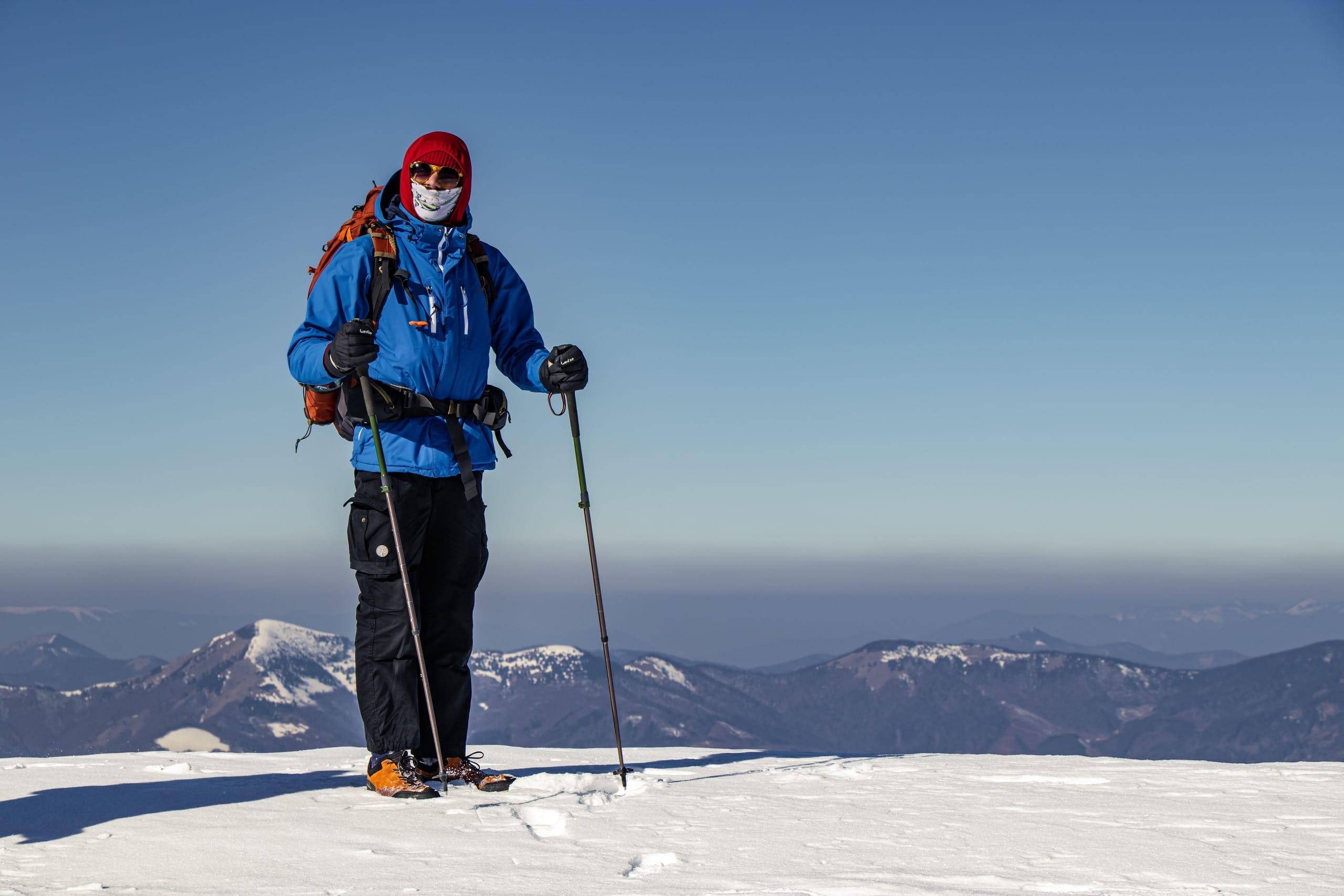
Most frozen falls worth photographing aren't roadside. Reaching them usually means a cold-weather hike over packed snow, sometimes with crampons, and timing the trip for a cold snap that's held for at least a few days — a single freezing night rarely does more than glaze the surface.
Worth the cold hands
The payoff is a version of a waterfall that only exists for a few weeks a year, and looks nothing like the same falls in July — which is really the whole appeal of chasing winter waterfalls in the first place.
Gallery
 Atlas Robotics
 EN
EN VI
VI